4 Dec, 2025 | | No Comments
How to Get a Picture of a Wild Himalayan Snow Leopard
In the autumn of 1973, wilderness writer and naturalist Peter Matthiessen joined preeminent field biologist George Schaller high in Nepal’s Himalayan Mountains on a journey that would soon become legendary. While Schaller was there to study the mating habits of the bharal, or Himalayan blue sheep, Matthieseen was on a quest for spiritual enlightenment. That is, a quest coupled with the hope of glimpsing one of the region’s most elusive animals: the snow leopard.
This strenuous two-month expedition resulted in one of Matthiessen’s best-known and award-winning books, The Snow Leopard—a work that still enlightens and inspires readers today.
It’s no secret that big cats stir imaginations, from the majestic lions of Kenya’s Maasai Mara to the jaguar, a large and spotted feline that holds court over South America’s Pantanal. And snow leopards are no exception. For a long time, so little was known about these shy and solitary creatures that inhabit Earth’s uppermost reaches that they took on an almost mythical status. Local residents call them the “gray ghost” or the “ghost of the mountains” because they’re so rarely seen.

© Surya Ramachandran
In fact, when Matthiessen embarked on his expedition, only two Westerners had reported seeing a snow leopard over the previous 25 years. One of those Westerners was Schaller, who was also the first to capture a snow leopard on film. In 1971, his photos appeared in the pages of National Geographic, giving the world its first opportunity to view this fabled being in its natural habitat.
The Elusive Snow Leopard
Getting a photo of a wild snow leopard is no easy task, although it’s been made much easier in recent years. Spotters and master trackers know exactly where to look and what to look for, such as fresh scat, snow-embedded tracks and even marking patterns.
Since Matthiessen’s The Snow Leopard was first published in 1978, a lot has been learned about these shy and solitary creatures. They can reach up to seven feet in length and weigh anywhere from 60 to 120 pounds. They roam mostly at dawn in the pre-morning hours, then again in the afternoons and evenings.
Due to a difference in their anatomical structure, snow leopards can’t actually roar, though they do chuff, purr and growl. They move about quietly, preferring steep, snow-covered mountainsides high above the treelines, in places where the air is thin and the weather often relentless. Their thick fur—colored whitish to gray with black spots and rosettes along the neck, head, and back—easily camouflages them within the landscape, making them extremely difficult for the average eye to see.
Where to See Snow Leopards in the Wild
According to the Snow Leopard Trust, a non-profit organization dedicated to protecting the snow leopard, between 3,900 and 6,400 wild snow leopards are believed to be left around the world, though the actual number remains unknown. They inhabit a large swath of alpine and subalpine terrain that traverses 12 countries in northern and central Asia, including Mongolia, Afghanistan and Bhutan.
Schaller captured his now-famous photos in Pakistan’s Chitral Valley—another place snow leopards are known to frequent—and dozens of them roam freely in Russia’s Altai Mountains, at the convergence of China, Mongolia and Kazakhstan. However, one of the best places for spotting them is in India’s Ladakh territory, part of the larger Himalayan mountain range, where approximately 200 or so reside.

© Surya Ramachandran
India’s Ladakh Region Awaits
For the perfect opportunity to explore this storied region and capture images of the rare snow leopard, embark on Nat Hab’s Snow Leopard Quest Photo Expedition. Tucked away in the remote Himalayas of northern India, Ladakh itself is framed by dramatic peaks and dotted with Buddha-filled monasteries, meditation caves and secluded villages. It’s a region heavily influenced by Tibetan culture and home to India’s largest national park, Hemis National Park, where you’ll find one of the highest population densities of snow leopards in a protected area on the planet.
Nat Hab’s small group size of eight and a flexible daily schedule offers participants the best chance of catching a snow leopard undisturbed. Perhaps we’ll see one who has descended to a lower altitude to feed on bharal, ibex and smaller marmots and hares that inhabit the sides of steep rock walls and graze along valley streams. Or we may spy a cat perched inconspicuously along a high ridge line. Be sure and keep your camera at the ready!
Getting a Good Photograph
The odds of capturing snow leopard pics increase once you immerse yourself in the territory of these magnificent creatures. Nat Hab’s adept spotting scouts and master trackers work tirelessly to follow the cats’ every move. The terrain may be rugged and difficult, but the rewards of seeing a snow leopard in the wild are indescribable. If you’re especially lucky, you might even spot a snow leopard cub (or two!).
Ladakh’s additional wildlife is as equally as incredible. Look for long-legged wild sheep known as urial, golden eagles and bearded vultures soaring overhead. And stay alert for a sighting of the Himalayan wolf, known for its wooly fur and ability to adapt to cold and high altitudes.
There are also the natural and cultural beauties of Ladakh itself, such as narrow valleys and colorful roadside prayer flags, winding rivers and unoccupied palaces, all of which are ripe for discovery…and for photographing.
Although Matthiessen never did spot a snow leopard during his 1973 expedition, seeing one wasn’t his sole purpose. As a 2018 New Yorker article points out, “If Matthiessen had merely wanted to set eyes on a snow leopard, he could have driven from his home on Long Island to the Bronx Zoo, where snow leopards have been bred in captivity since 1966.”
Matthiessen knew that the possibility of glimpsing a snow leopard in its natural habitat, rather than in a zoo or menagerie, would be something else entirely. However, even not seeing one would be a tremendous feat, especially when you’ve scoured the world’s tallest peaks and loftiest landscapes in your quest. That’s because it’s in the ‘seeking,’ Matthiessen realized, that the real magic occurs.
Ready to see and photograph snow leopards in the wild? Learn more about our Land of the Snow Leopard adventure and our photo-focused Snow Leopard Quest Photo Expedition. Or, explore our photo expeditions around the globe!
The post How to Get a Picture of a Wild Himalayan Snow Leopard first appeared on Good Nature Travel Blog.
The Serengeti and Maasai Mara are the stage for the largest animal migration on Earth, and for wildlife enthusiasts and photographers, Natural Habitat Adventures offers an unparalleled front-row seat to capture this thrilling event.
East Africa’s Great Migration: An Epic Wildlife Odyssey
East Africa’s Great Migration is one of the oldest and most spectacular wildlife migrations on Earth. Every year, nearly 2 million wildebeest, zebra and gazelle journey approximately 1,800 miles across Tanzania’s Serengeti Plains into Kenya’s Maasai Mara and back again. Guided by ancestral instincts, these herds follow a circular, seasonal path driven by rains and fresh grazing grounds.
If you dream of witnessing nature’s most awe-inspiring sights, this African expedition is your ultimate adventure. Luxury accommodations, unparalleled wildlife encounters and thrilling moments await at Nat Hab’s Private Migration Base Camps in Kenya’s Maasai Mara National Reserve and in Tanzania’s Serengeti National Park.

Ⓒ Joe Charleson
Unique Wildlife Shots to Last a Lifetime
Your journey begins in Nairobi, Kenya, where you’ll set off toward the renowned Maasai Mara National Reserve. This protected wilderness spans southwestern Kenya and borders Tanzania. Its landscape unfolds in sweeping grassy plains, gently rolling hills and the dramatic Mara River, which becomes the epicenter of wildlife activity between mid-June and late November. During this time, hundreds of thousands of wildebeest and zebras arrive from Tanzania’s Serengeti Plains, making it the setting for one of the most spectacular wildlife migrations on Earth.
The Maasai Mara takes its name from the Mara River, which winds through its grasslands, and the Maasai people who have inhabited these lands for centuries, living in harmony with nature.
As your expedition begins, private camps strategically placed along migratory routes offer exclusive views of the immense herds gathering to cross the Mara River. The sound of thousands of thundering hooves fills the air, and the landscape pulses with activity as wildebeest and zebras courageously navigate the treacherous river, attempting to evade stealthy crocodiles lurking below. Our private campsite, ideally situated near the Mara River, ensures you have ample time and unparalleled access to witness and photograph these dramatic, once-in-a-lifetime scenes.
Beyond the famous river crossings, the lush Maasai Mara landscape hosts an incredible diversity of wildlife, including gazelle, impala, hartebeest, topi and other antelope species. The region’s fertile grasslands thrive on nutrient-rich soils, enriched by volcanic ash deposited millions of years ago, sustaining an abundance of plant life that attracts elephants, giraffes, hyenas and the densest lion populations in Kenya. Your expedition provides extraordinary opportunities to observe and capture breathtaking images of all these remarkable animals in their natural habitat.

Ⓒ Matt Goddard
Want to explore Tanzania as well? Our Pride of East Africa: Kenya & Tanzania adventure crosses the border into Tanzania, heading toward Serengeti National Park. We spend the next week in one of Serengeti’s premier migration corridors, where you’ll witness plains alive with the movement of immense herds striving to evade lions and hyenas that prey on the weak and young.
Predator-prey interactions are common throughout the region, as migration patterns lead wildebeest, zebra, and gazelle across the vast grasslands of the African savannah, interacting constantly with elephants, lions and other big game. Each year is unique, and the exact timing and movements of the herds vary annually.
The annual migration of wildebeest and zebras is largely driven by seasonal environmental changes. In January and February, the golden grasslands of the Serengeti in northern Tanzania come alive as hundreds of thousands of wildebeest calves are born within a three-week span. In April, the herds begin their northward journey with their newborn calves. By June, Tanzania’s dry season pushes herds further north in search of more fertile grazing.
In June, migrating herds gather along the southern banks of the Grumeti River in the western Serengeti. Herds may congregate here for up to two weeks, cautiously avoiding the crocodile-filled shallow waters. During this time, the savannah buzzes with activity as the wildebeest enter their mating season, known as the rut. More than 500,000 wildebeest mate within a four-week period.
The migration continues northward as grazing lands become depleted, driving herds toward the greener plains near the Mara River and Lamai Triangle in the northern Serengeti, typically by mid- to late July. With the arrival of short rains in November, the now heavily pregnant wildebeest return south toward the rejuvenated Serengeti plains, continuing the timeless cycle of life.
Throughout your journey, you’ll be guided by Nat Hab’s Expedition Leaders, receiving continuous insights and tips from some of the world’s most accomplished professional nature photographers and wildlife guides.
Nat Hab’s Kenya Migration Photo Expedition offers a once-in-a-lifetime chance to witness Africa’s Great Migration, one of nature’s most breathtaking spectacles. With expert guidance and professional-level photography support, you’ll create lifelong memories—and equally unforgettable images.
The post How to Get Wall-Worthy Pictures of Africa’s Great Migration first appeared on Good Nature Travel Blog.
3 Dec, 2025 | | No Comments
Biodiversity Comes in Bursts and Goes with Glaciers
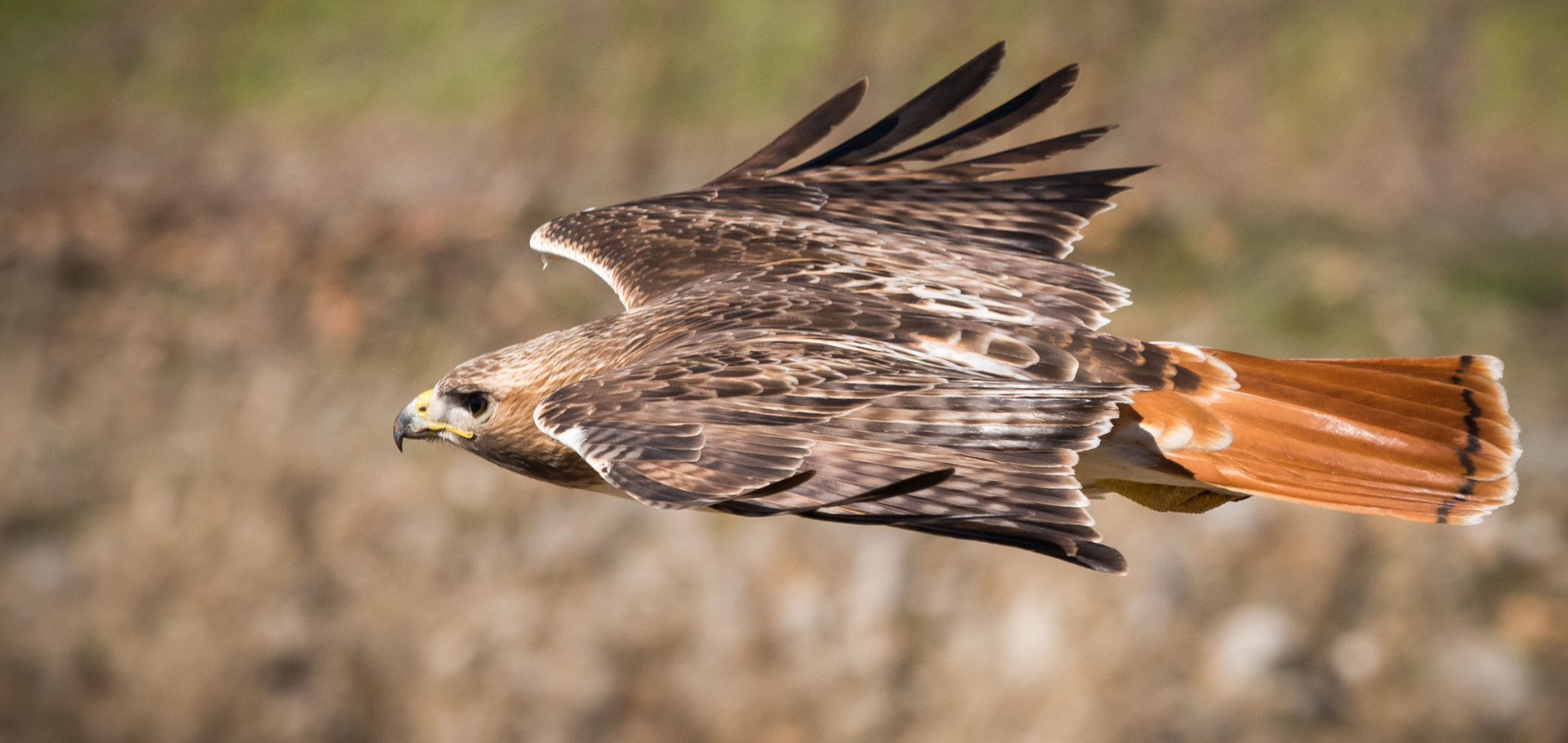
Biodiversity is not evenly distributed; rather, it is highly concentrated in groups that rapidly expanded, often sparked by innovations such as flight.
From birds to flowers, the majority of the Earth’s species stem from a few evolutionary “explosions,” where new habitats or traits sparked rapid diversification. These bursts, in fact, explain most of the planet’s biodiversity.
Some of those new habitats were ignited by glaciers. Massive, ancient glaciers acted like giant bulldozers, reshaping Earth’s surface and paving the way for complex life to flourish. Recently, by chemically analyzing crystals in ancient rocks, researchers discovered that as the glaciers carved through the landscape, they scraped deep into the Earth’s crust, releasing key minerals that altered ocean chemistry. This process had a profound impact on our planet’s composition, creating conditions that allowed complex life to evolve.
Today, glaciers continue to shape life on Earth. NASA-backed simulations reveal that meltwater from Greenland’s Jakobshavn Glacier lifts deep-ocean nutrients to the surface, sparking large, summer blooms of phytoplankton that feed the Arctic food web. Oceanographers are keen to understand what drives the tiny, plantlike organisms, which take up carbon dioxide and power the world’s fisheries.
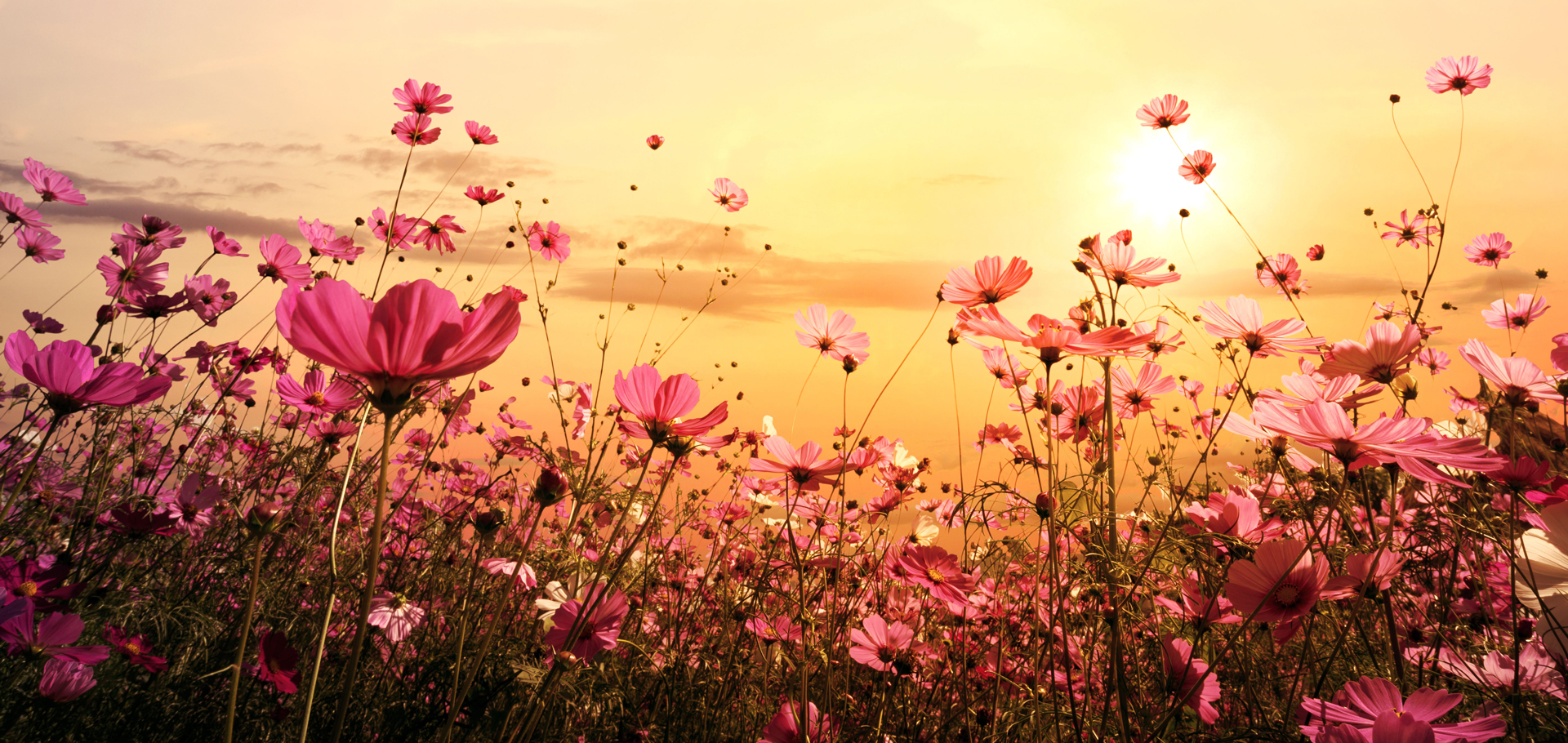
Flowering plants (angiosperms) make up about 85% of all plant species on Earth. Flowers, grasses, trees and most of our food crops are flowering plants.
Explosive bursts of evolution: how most of Earth’s species came about
The British evolutionary biologist J.B.S. Haldane is rumored to have quipped that any divine being evidently had “an inordinate fondness for beetles.” This witticism conveyed an important truth: the “tree of life”—the family tree of all species, living or extinct—is very uneven. In places, it resembles a dense thicket of short twigs; elsewhere, it has only sparse but long branches. A few groups tend to predominate; as Haldane pointed out, more than 40% of living insects are beetles, 60% of birds are passerines and more than 85% of plants are flowering ones.
But is such a concentration of species within a few exceptionally large groups a universal phenomenon of life on Earth? This question, important for our understanding of ecology and evolution, has long been the subject of controversy among biologists. But until recently, it was difficult to answer due to our poor knowledge about the number of species in existence, their evolutionary relationships and the age of each group. Now, however, scientists at the University of Arizona and the University of California, Riverside have finally provided an answer, which was published in the journal Frontiers in Ecology and Evolution in August 2025. Most living species do, indeed, belong to a limited number of “rapid radiations”; that is, they form groups with many species which evolved in a relatively short period of time.
Specifically, say the researchers, when analyzing the distribution of species richness and diversification rates across clades—groups of species that each evolved from a single ancestor, such as a family, class or phylum—they found that in each case more than 80% of known species belonged to the minority of groups with exceptionally high rates of species diversification.
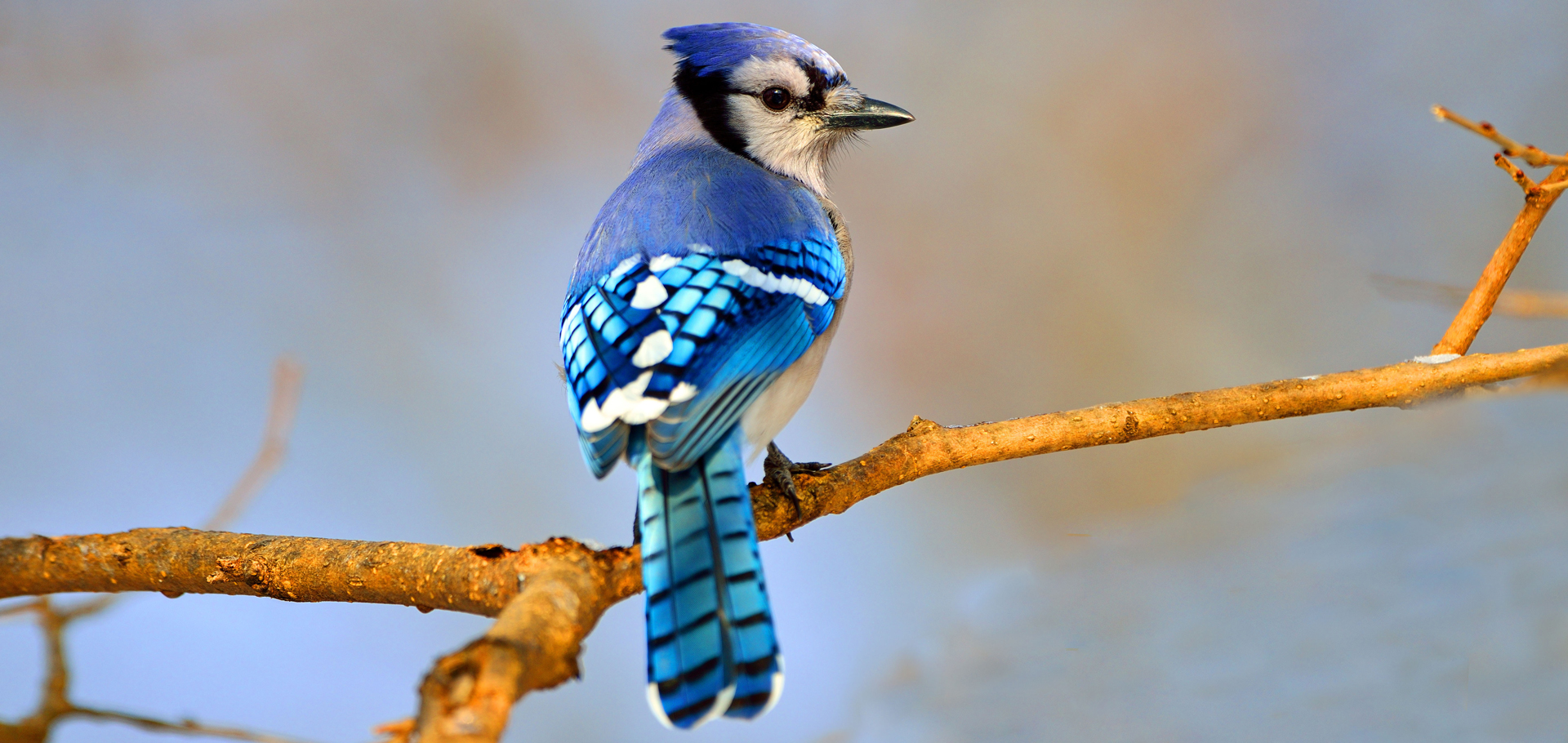
Sixty percent of all birds are passerines, also known as perching birds. They’re characterized by their three forward-pointing and one backward-pointing toes, which allow them to grasp branches. This diverse group includes crows, robins, sparrows, starlings, warblers, wrens—and jays, like this blue jay.
They focused on 10 phyla, 140 orders and 678 families of land plants, jointly spanning more than 300,000 species; 31 orders and 870 families of insects, encompassing more than 1 million known species; 12 classes of vertebrates, encompassing more than 66,000 species; and 28 phyla and 1,710 families of animals with more than 1.5 million species. Finally, they analyzed 17 kingdoms and 2,545 families across all of life, including more than 2 million species. They examined the data on each clade’s species age, richness and estimated diversification rate, or the accumulation of new species over time.
The results were clear and consistent: irrespective of hierarchical level or group of organisms, most existing species proved to be restricted to a few disproportionately large clades with higher-than-average diversification rates. Rapid radiations of species are thought to occur when a new ecological niche opens up: for example, when a flock of grassquit birds dispersed from Central America to the virgin territory of the Galapagos Islands approximately 2.5 million years ago to diversify into the famous Darwin’s finches or when an evolutionary innovation like powered flight prompted the radiation of bats 50 million years ago.
The scientists state that their results imply that most of life’s diversity is explained by such relatively rapid radiations. The key traits that might explain these rapid radiations include multicellularity in animals, fungi and plants across the kingdoms of life; the invasion of land and the adoption of a plant-based diet in arthropods among animal phyla; and the emergence of flowers and insect pollination in flowering plants among plant phyla.
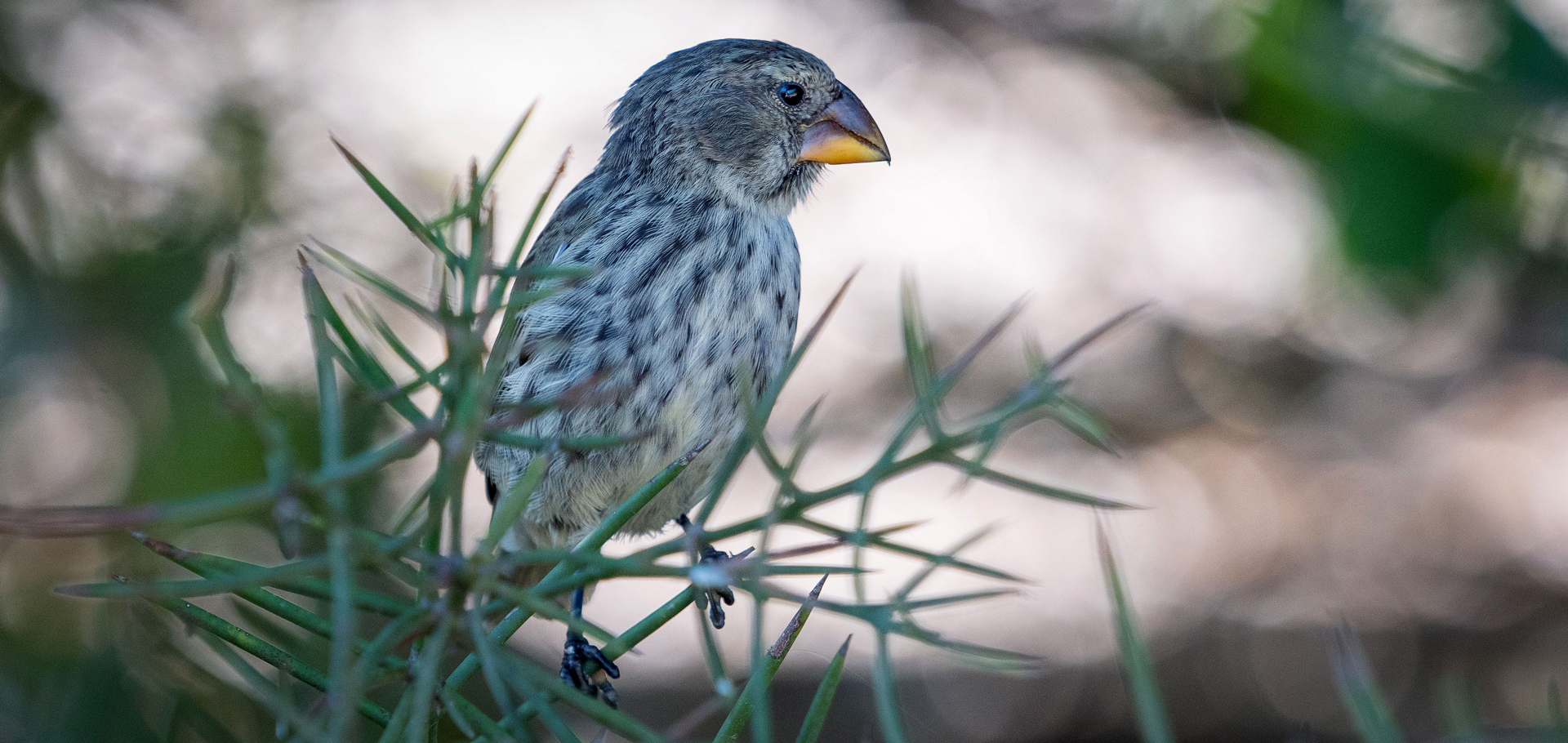
Approximately 2.5 million years ago in a “rapid radiation,” a flock of grassquits dispersed from Central America to the Galapagos Islands to diversify into the famous Darwin’s finches, such as this one.
However, one “known unknown” remains: the distribution of species within the bacteria kingdom. Approximately 10,000 species of bacteria are known, but current estimates for the true number range from millions to trillions. However, the origin of bacteria dates to 3.5 billion years ago, and so the overall diversification rate among them is actually quite low.
If true bacterial richness is much higher than the described richness for other groups, then a clade with low diversification rates (namely, bacteria) would contain the majority of species across life, and this would be in stark contrast to these results. Therefore, the results apply primarily to known species diversity, conclude the study’s authors.
Giant ice bulldozers: how ancient glaciers helped life explode
Glaciers most likely had a hand in the explosive bursts that caused huge leaps in evolution. The ice giants acted like gargantuan bulldozers, giving the Earth’s surface a new form and rolling out the way for complex life to thrive, according to researchers at Australia’s Curtain University, England’s University of Portsmouth and St. Francis Xavier University in Nova Scotia, Canada.
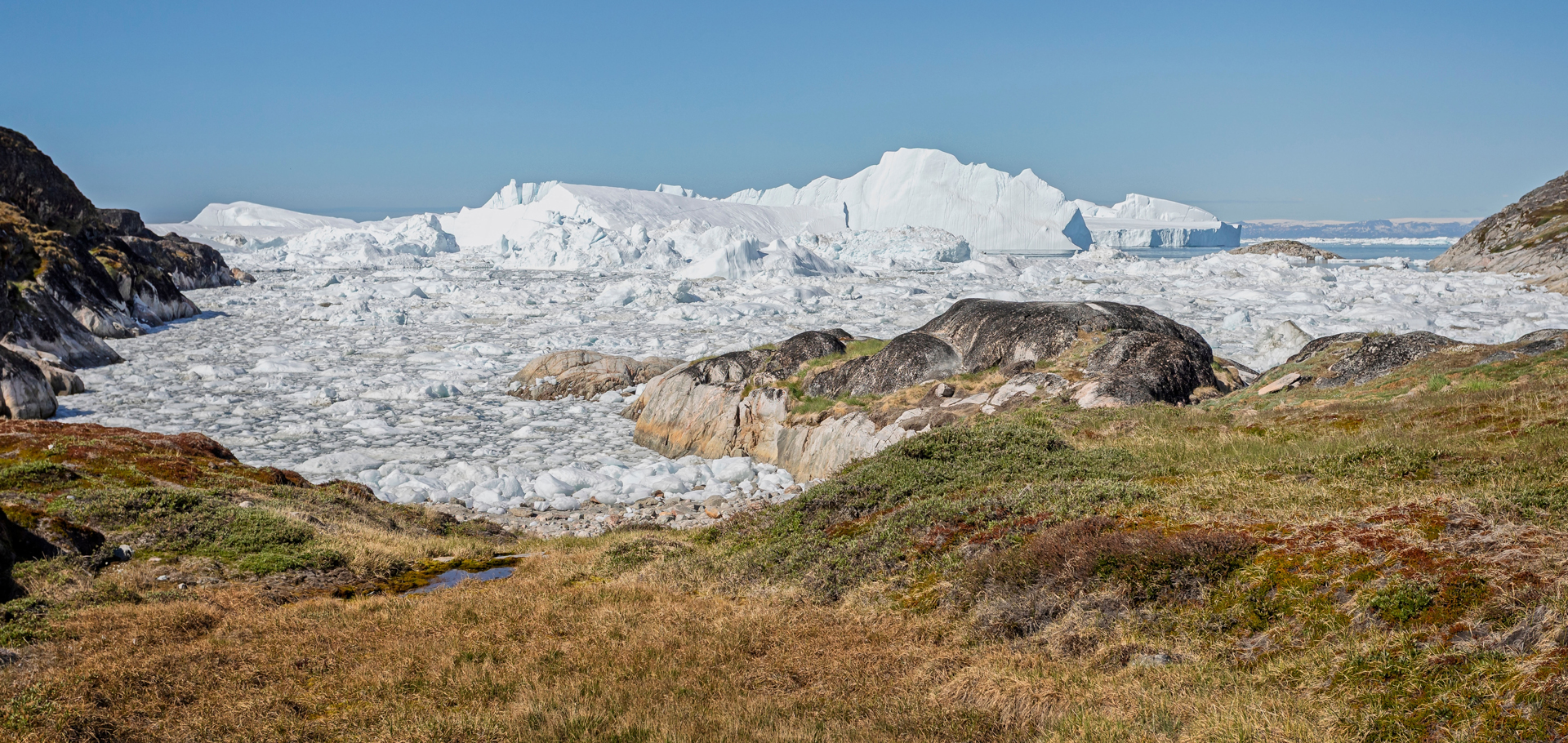
Ancient glaciers acted like giant bulldozers, breaking down rocks and releasing minerals into the oceans, altering the water’s chemistry and setting the stage for more complex life to evolve.
As glaciers pressed their way across the landscape, they ground into the Earth’s crust, releasing key minerals. When the enormous ice sheets melted, they resulted in huge floods that washed the minerals and their chemicals—including uranium—into the oceans. That changed ocean chemistry, creating new conditions that encouraged the formation of complex life.
This study highlights how Earth’s atmosphere, climate, lands and oceans are intimately connected—where even ancient glacial activity set off chemical chain reactions that reshaped the planet—and offers a new perspective on modern climate change, showing how past shifts in Earth’s climate triggered large-scale environmental transformations. It’s also a stark reminder that while Earth itself will endure, the conditions that make it habitable can change dramatically.
Greenland’s glacial runoff: how eruptions of ocean life were powered
Greenland’s mile-thick ice sheet is shedding some 293 billion tons of ice per year. During peak summer melt, more than 300,000 gallons of fresh water drain into the sea every second from beneath the Jakobshavn Glacier, the most active glacier on the ice sheet. The waters meet and tumble hundreds of feet below the surface.
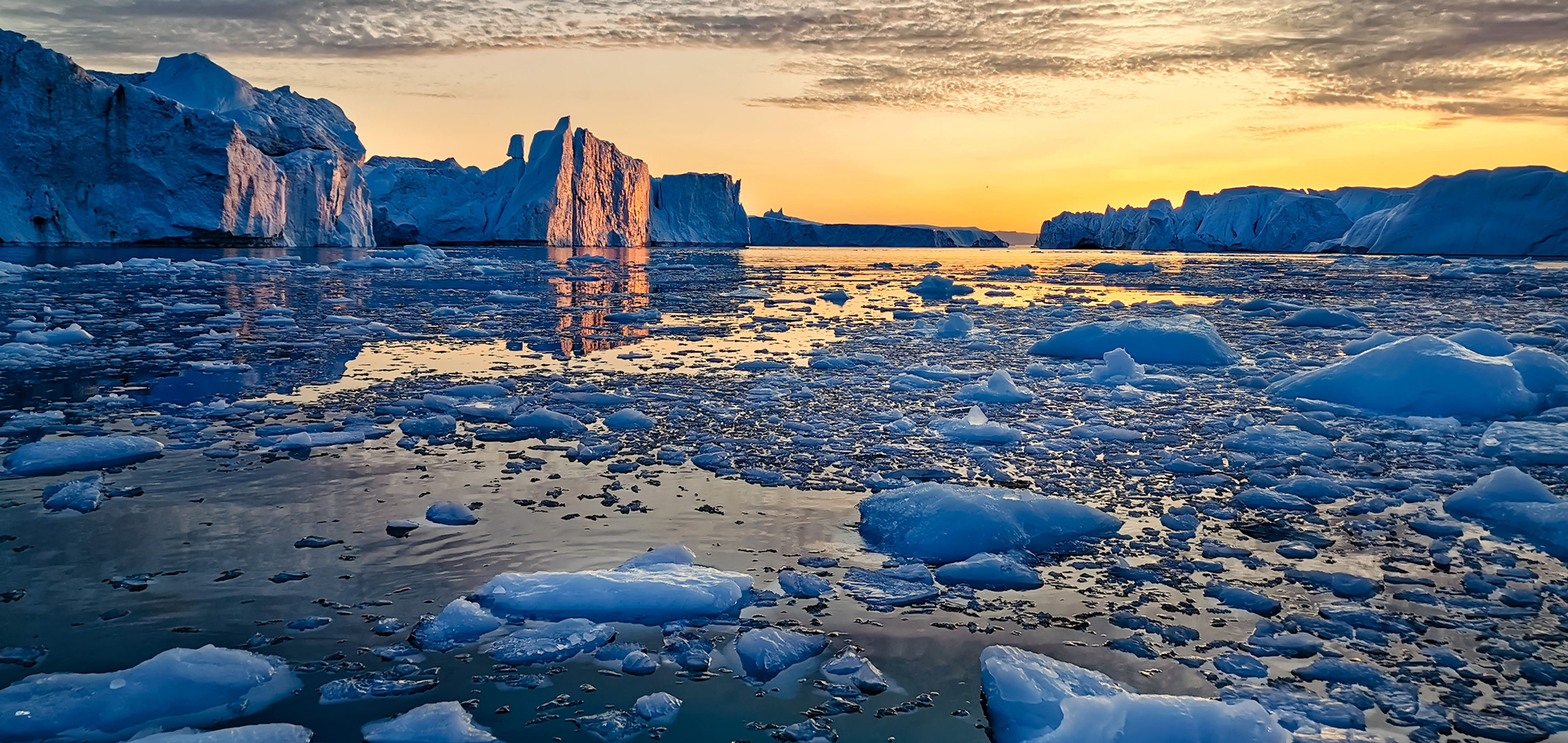
From beneath the most active glacier on the Greenland ice sheet—the Jakobshavn Glacier, also known as the Ilulissat Glacier (or in Greenlandic, “Sermeq Kujalleq”)—during the peak summer melt, more than 300,000 gallons of fresh water drain into the sea every second.
Because the meltwater plume is fresh, it’s more buoyant than the surrounding salt water. As it rises, scientists have hypothesized, it may be delivering nutrients like iron and nitrate—a key ingredient in fertilizer—to phytoplankton floating at the surface.
Researchers track these microscopic organisms because, though smaller by far than a pinhead, they’re titans of the ocean food web. Inhabiting every ocean from the tropics to the polar regions, they nourish krill and other grazers that, in turn, support larger animals, including fish and whales.
Previous work using NASA satellite data found that the rate of phytoplankton growth in Arctic waters surged 57% between 1998 and 2018 alone. An infusion of nitrate from the depths would be especially pivotal to Greenland’s phytoplankton in summer, after most nutrients have been consumed by prior spring blooms. But the hypothesis has been hard to test along the coast, where the remote terrain and icebergs as big as city blocks complicate long-term observations.
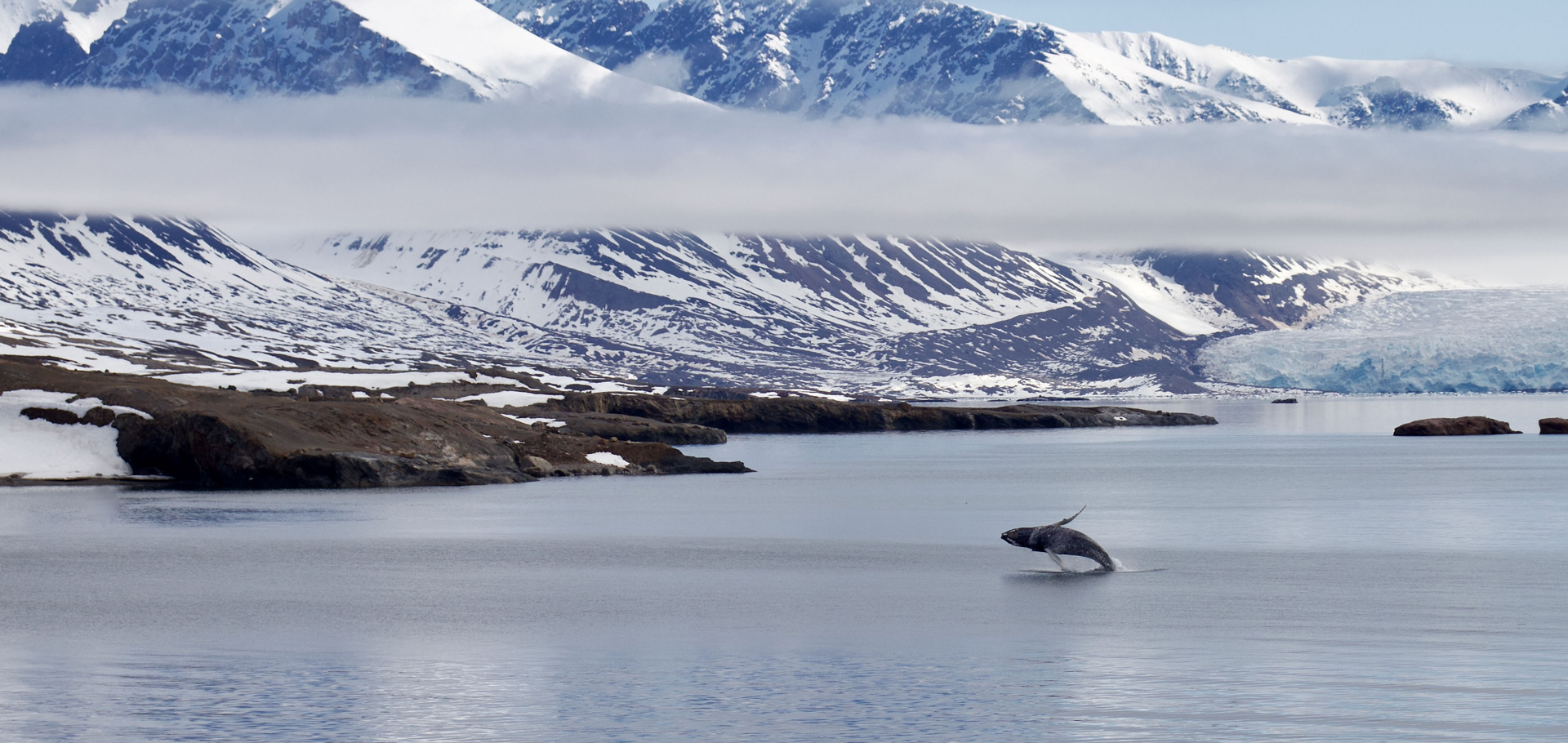
As Greenland’s ice retreats, it fuels tiny ocean organisms like phytoplankton, titans of the ocean food web. Phytoplankton nourish krill and other grazers that, in turn, support larger animals, such as whales.
Now, reporting in the journal Nature Communications: Earth and Environment in August 2025, scientists from California’s San Jose State University and NASA’s Jet Propulsion Laboratory (JPL) outline how they used state-of-the-art computers to simulate marine life and physics colliding in one turbulent fjord. To re-create what was happening in the waters around Greenland’s most active glacier, the team harnessed a model of the ocean developed at JPL and the Massachusetts Institute of Technology. The model ingests nearly all available ocean measurements collected by sea- and satellite-based instruments over the past three decades. That amounts to billions of data points, from water temperature and salinity to pressure at the seafloor.
But simulating biology, chemistry and physics coming together in even one pocket along Greenland’s 27,000 miles of coastline is a massive math problem. To break it down, the team built a “model within a model within a model” to zoom in on the details of the fjord at the foot of the glacier. Using supercomputers at NASA’s Ames Research Center in California’s Silicon Valley, they calculated that deepwater nutrients buoyed upward by glacial runoff would be sufficient to boost summertime phytoplankton growth by 15% to 40% in the study area.
Could increased phytoplankton be a boon for Greenland’s marine animals and fisheries? Unfortunately, untangling impacts to the ecosystem will take time. Melt on the Greenland ice sheet is projected to accelerate in coming decades, affecting everything from sea level and land vegetation to the saltiness of coastal waters. So, while what’s happening in one key system has been reconstructed, there’s more than 250 such glaciers around Greenland.
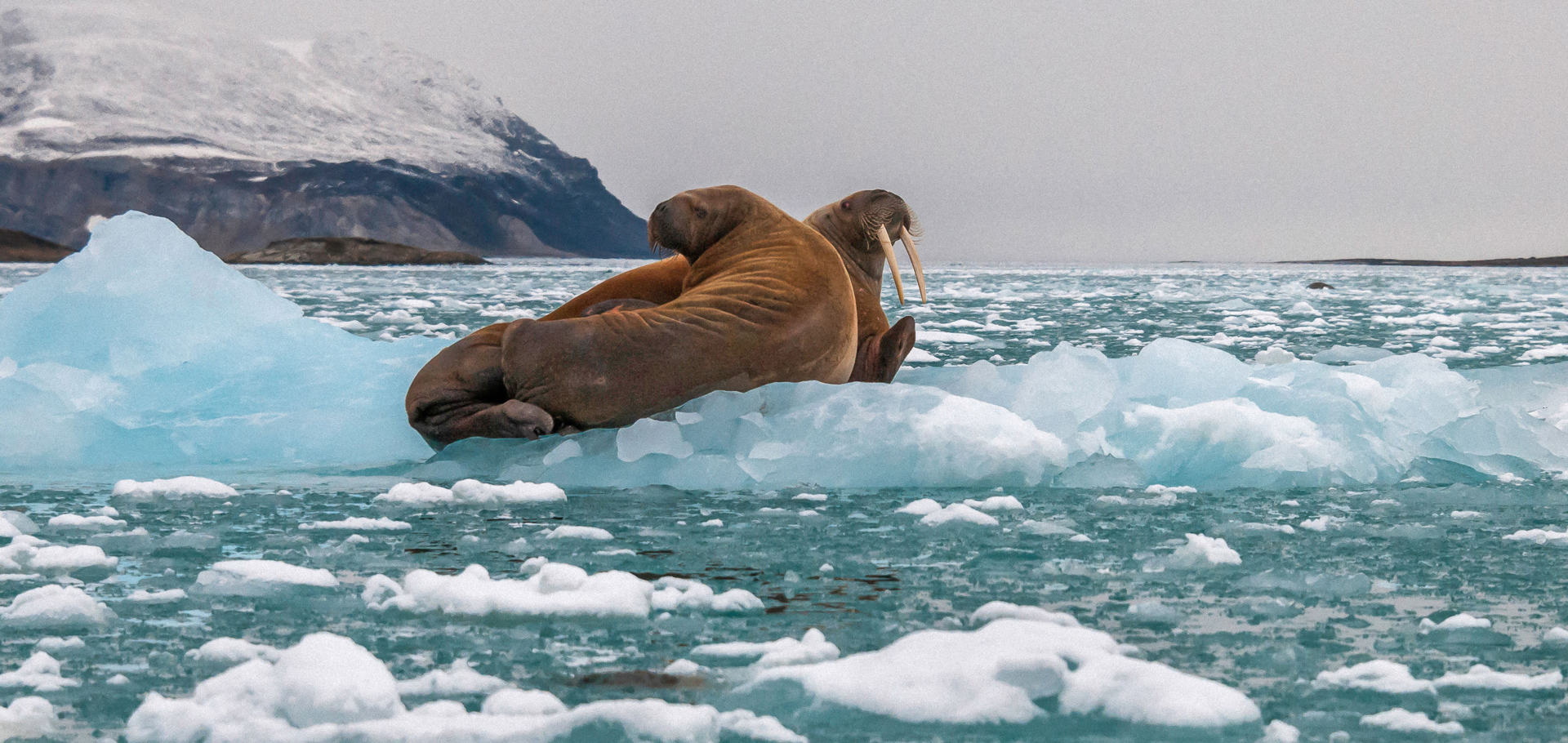
Greenland’s walruses also benefit from increased phytoplankton. Phytoplankton bloom, supporting zooplankton, which in turn are eaten by crustaceans, fish and other invertebrates that live on the seafloor. Walruses then consume these bottom-dwelling mollusks, such as clams and other shellfish.
Some changes appear to be impacting the carbon cycle both positively and negatively: the team calculated how runoff from the glacier alters the temperature and chemistry of seawater in the fjord, making it less able to dissolve carbon dioxide. That loss is canceled out, however, by the bigger blooms of phytoplankton taking up more carbon dioxide from the air as they photosynthesize.
The good news is that this approach is applicable to any region, from the Texas Gulf to Alaska. The researchers conclude that they plan to extend their simulations to the whole Greenland coast and beyond.
Punctuated equilibrium: how evolution’s gradualism got a partner
Life doesn’t pop up on the planet calmly and serenely, bit by bit. It explodes on the scene, in bursts. This theory, called “punctuated equilibrium,” was proposed back in 1972, when American evolutionary biologist, historian of science and paleontologist Stephen Jay Gould and American biologist and paleontologist Niles Eldredge argued that species remain largely unchanged for millions of years; and most changes occur in short, burst periods, often linked to environmental changes, mass extinctions or the creation of new habitats.
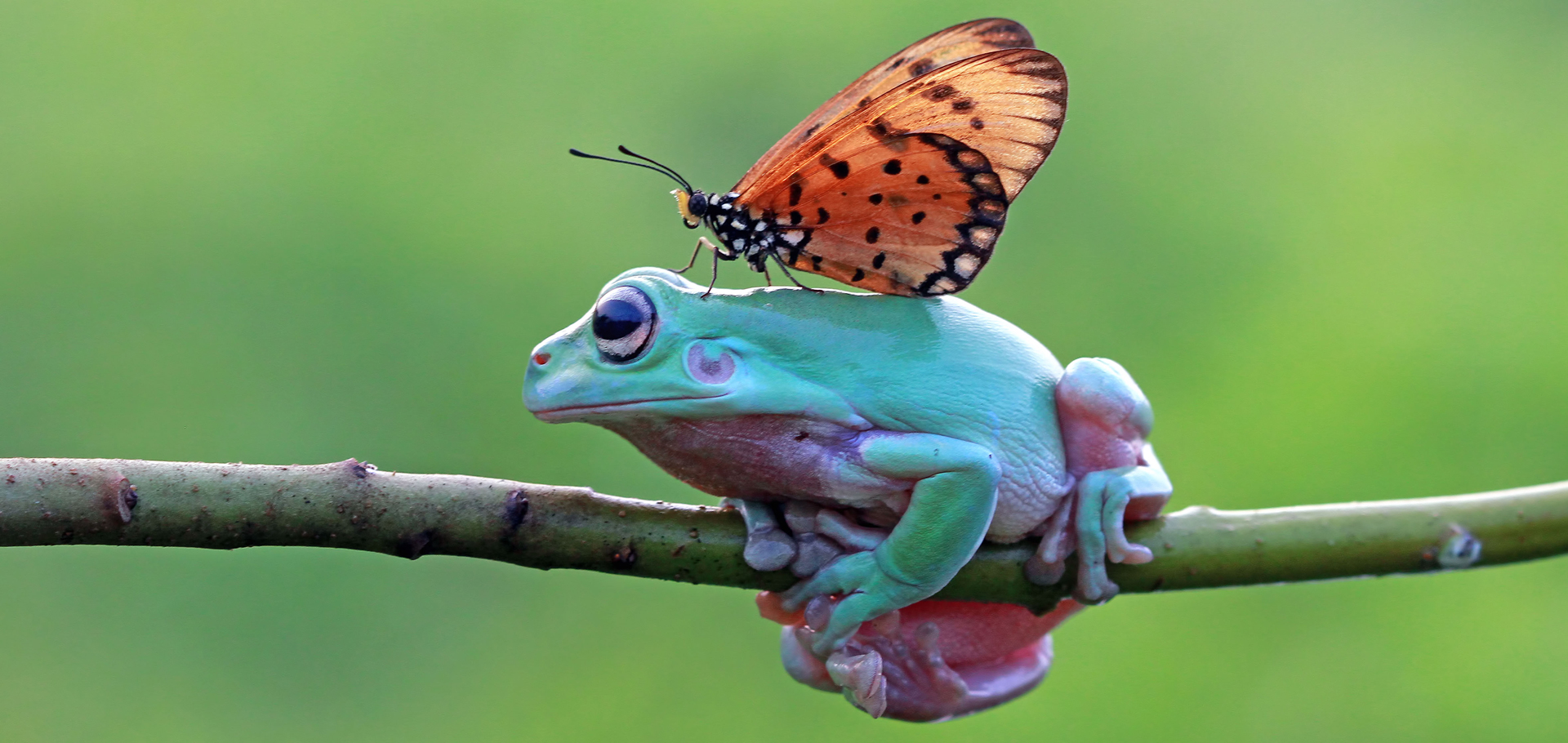
According to a theory called “punctuated equilibrium,” different forms of life don’t pop up on the planet calmly and serenely, bit by bit. They explode on the scene, in bursts. That could be a metaphor for human progress.
Punctuated equilibrium contrasts with “gradualism,” a model often associated with Charles Darwin’s initial view, which suggests that evolution proceeds slowly and continuously, with small changes accumulating over vast periods of time.
Both gradualism and punctuated equilibrium are valid, since the fossil record evidence indicates that both types of change have occurred throughout the history of life. And that could be seen as a metaphor for human experience, I think, as significant change and progress can happen in both ways: in sudden, intense moments and through quiet, incremental steps.
Here’s to finding your true places and natural habitats,
Candy
The post Biodiversity Comes in Bursts and Goes with Glaciers first appeared on Good Nature Travel Blog.
Bison, pronghorn and elk amble across Yellowstone’s grasslands. Aspens and willows speckle the forests of pine, spruce, fir and juniper, which shelter grizzlies, black bears, coyotes and gray wolves in their depths, along with three cat species: lynx, bobcats and cougars. Thermal features found here include hot springs, mudpots, fumaroles, travertine terraces, steam vents and famed geysers. And while treasures abound, beyond national park boundaries the Greater Yellowstone Ecosystem extends far into the Northern Rockies, encompassing 34,000 square miles.
Yellowstone’s Native American Heritage
Yellowstone is America’s oldest and perhaps most beloved national park, inspiring innumerable written accounts of exploration and bringing in an influx of tourism each year. But even before this remote region attracted millions of visitors, Yellowstone had an extensive history of human occupation dating back to the Little Ice Age. Over the course of thousands of years, Native Americans conducted medicinal and religious ceremonies at hydrothermal sites, hunted in the lodgepole pine forests, fished cutthroat trout from the rivers, gathered plants and berries, quarried obsidian and engaged in trade. Today, 27 tribes have historic ties to Yellowstone, including the Mountain Shoshone, who made this land their permanent home.

A black bear feeds on flower petals in Yellowstone National Park. The Greater Yellowstone Ecosystem is one of the few places in the U.S. where black bears and grizzly bears coexist.
Wildflower Season in Yellowstone National Park
The Yellowstone is a wild-flower garden. Wander where you will, you have the ever-new charm, the finishing touch, the ever-refreshing radiance of the wildflowers.
—Enos Mills, Your National Parks, 1917
Hundreds of species of wildflowers blanket the prairies and mountain valleys in the summer. This showy display is nothing short of spectacular, with sweet-smelling meadows full of evening primroses and the white blossoms of thimbleberry and baneberry bushes. Lupine, coralroot orchids and arnica grow under the forest canopy and colors splash the slopes with larkspur, paintbrush, delicate ladyslipper, woodland star, ladies’ tresses, yellow violet, bluebell and forget-me-not. Many of these wildflowers are a critical food source for wildlife—grizzly bears dig for the bulbs of yellow glacier lilies and spring beauty, ground squirrels collect wild strawberries and important pollinators such as hummingbirds, butterflies and bees rely on the flowers’ nectar, seeds and pollen. New blooms appear each week during these savored summer months, an ever-changing rainbow for travelers from around the world to admire before the autumn frost arrives in the Lamar and Hayden valleys.

There are an estimated 728 grizzly bears in the Greater Yellowstone Ecosystem.
In Search of Yellowstone’s Wildlife
On a scenic float trip through the Grand Tetons, take in the view of the all-encompassing sky and the painted mountain peaks, which change in hue from dawn to dusk. Look for osprey fishing from the Snake River, along with moose, beaver and river otters. Near Mount Washburn, search for bighorn sheep and mountain goats in the steep canyons and bald eagles soaring overhead. Spend several days exploring Lamar Valley, a refuge for gray wolves, grizzly bears, elk and bison in the park’s remote northeast corner.

A bull elk rests among marigolds and lupines in Yellowstone National Park.
Stay in the Heart of Yellowstone
Guests on this adventure will sojourn at historic lodges and cabins located in the heart of Yellowstone. Enjoy sweeping views of the Teton Range at dinners that feature local and sustainable fare such as stream-caught trout, garden-raised greens and summer berries. Travelers recount tales of the day under a night sky of countless stars, wind mingling with the fragrant scents of sagebrush and smoke from a crackling fire. Fall asleep in cozy, pine log beds where you can keep warm with down comforters, before rising for another day of adventure.
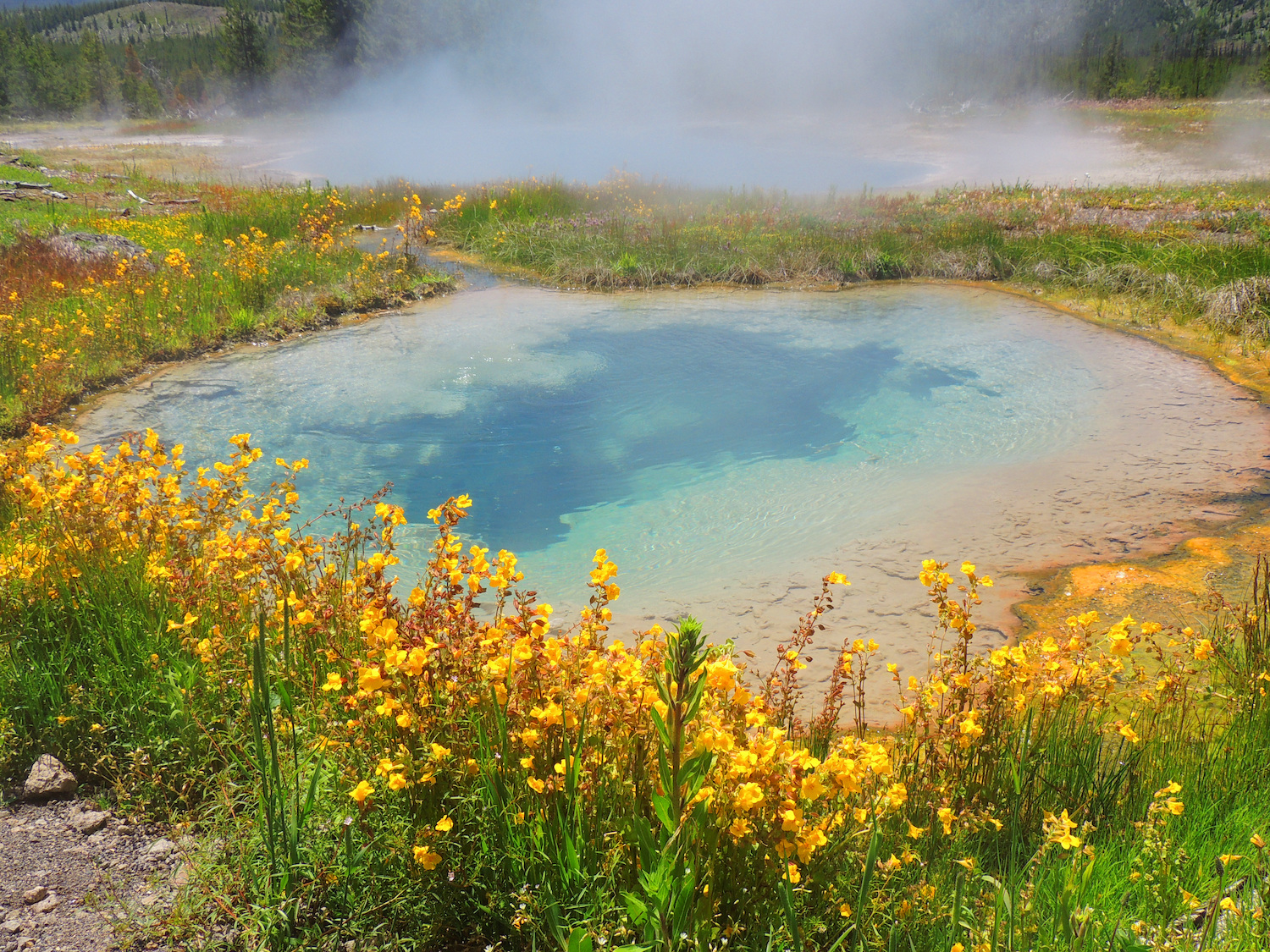
If you are looking for a Yellowstone trip where excursions reveal elusive wildlife and natural wonders, search no further. Our journey through Yellowstone is a trip for the true wanderer, embracing the spirit of remote nature travel. This adventure stands apart from the typical park tour, delving deep into Yellowstone’s wilds. Immerse yourself in the unknown and join Natural Habitat Adventures on our Ultimate Yellowstone & Grand Teton Safari.
The post Yellowstone & the Grand Tetons: Wildlife, Wildflowers & Hidden Wonders first appeared on Good Nature Travel Blog.
2 Dec, 2025 | | No Comments
How To Get Involved in America Recycles Day in 2025
Every fall, we here at Earth911 anxiously await our favorite holiday. No, it’s not Halloween…
The post How To Get Involved in America Recycles Day in 2025 appeared first on Earth911.
1 Dec, 2025 | | No Comments
Sustainability In Your Ear: Colorado’s First-Of-Its-Kind EPR Oil Recycling Program With David Lawes
Subscribe to receive transcripts by email. Read along with this episode. Americans dispose of approximately…
The post Sustainability In Your Ear: Colorado’s First-Of-Its-Kind EPR Oil Recycling Program With David Lawes appeared first on Earth911.
30 Nov, 2025 | | No Comments
Guest Idea: A “Right to Repair” Beginner’s Guide to Actually Fixing Your Stuff
Consumers interested in sustainability want to keep their products functional for as long as possible,…
The post Guest Idea: A “Right to Repair” Beginner’s Guide to Actually Fixing Your Stuff appeared first on Earth911.
30 Nov, 2025 | | No Comments
Guest Idea: The Dirty Truth About Clean Teeth
Millions of us do the same thing every morning and night: we brush our teeth,…
The post Guest Idea: The Dirty Truth About Clean Teeth appeared first on Earth911.
The northern lights, or aurora borealis, can be seen throughout the polar north, but the most vivid displays occur under an oval-shaped ring, the aurora oval, that circles the magnetic North Pole.
The aurora oval stretches across northern parts of Alaska, Canada and Greenland, as well as over Iceland, northern Scandinavia (Norway, Sweden and Finland), and parts of Russia. Within the oval, solar particles interact with the Earth’s magnetic field, creating the vibrant aurora borealis displays.
Witness the Aurora Borealis in Churchill, Manitoba
Churchill, Manitoba, sits within the aurora oval on Hudson Bay and at the mouth of the Churchill River. Nat Hab’s Northern Lights Photo Expedition offers an exclusive opportunity to photograph this elusive light display, alongside the snowy landscapes and wildlife that define Churchill. With expert photography guides, you’ll capture unforgettable images of the aurora far from city lights, beneath the vast arctic skies.

Photographed by Nat Hab Expedition Leader © Eddy Savage
Nat Hab Expedition Leader and Chief Sustainability Officer Court Whelan says, “We are in a beautiful location in Churchill, Manitoba, which I view as one of the best places for aurora viewing and, of course, aurora photography in the entire world.”
We’ve assembled numerous tips, stories and guides for getting great shots of the northern lights. You can see many of those here. In this article, we combine them for six stellar shots to aim for on your Northern Lights & Arctic Exploration adventure.
Just as a commercial photographer has a shot list for the images to capture during a work day, you might also want to think about the kinds of images you want to return home with before your arrival.

© Eddy Savage
Here are six iconic shots to aim for on your Northern Lights Photo Expedition in Churchill:
#1: Photograph the Northern Lights Over Boreal Forest
Court says, “We’re in a beautiful part of Churchill, which is the boreal forest. One of the most well-known and revered things about Churchill is its confluence of these major biomes. We’ve got the tundra, the Arctic tundra, just a little further out there, but right now, we’re tucked in this beautiful boreal forest. So we see these incredible black and white spruce trees all around us. This is the ideal thing for foreground elements in aurora photography.”

Nat Hab Expedition Leader © Eddy Savage
Churchill’s boreal forest provides an ideal foreground for photographing the northern lights. The stark beauty of snow-covered black and white spruce trees adds depth and context to your images of the aurora borealis, making it more than just a “green swash across the sky.”
The clear, dark skies, far from any light pollution, make Churchill a prime location for capturing the mesmerizing natural display of the aurora.
For your first shot, focus on the northern lights illuminating the sky over the snow-covered spruce trees of the boreal forest. Use a wide-angle lens to capture the full scope of the lights as they ripple and dance above the trees. A long exposure will bring out the vivid greens, purples and blues of the aurora while maintaining the contrast of the dark, snow-draped trees below.
Nat Hab Expedition Leader Court Whelan emphasizes the importance of including foreground elements in aurora photography: “Without some sort of context like a foreground—some snow, some trees, a building or an igloo—it’s going to look a little uninviting and not that interesting.”

Nat Hab Expedition Leader © Eddy Savage
Trees in the foreground help in multiple ways:
- They provide context for the larger story and sense of place.
- They give us something to focus on.
Tip: “One of the most challenging things about aurora photography is where and how to focus.” Framing the lights with the towering trees adds context and enhances your composition, transforming the shot into a captivating scene.
Resource: For more on choosing the right foreground for your northern lights photography, check out Court Whelan’s blog post: How to Pick Your Foreground for Northern Lights Photography.

Nat Hab Expedition Leader © Eddy Savage
#2: Reflections of the Northern Lights on Ice
The frozen landscape of Churchill provides a perfect reflective canvas for the northern lights. The ice-covered terrain creates stunning reflections of the vibrant aurora borealis, adding an extra layer of visual interest to your shots. This pristine wilderness setting in northern Manitoba offers some of the clearest views of the northern lights thanks to its remote location and the extended winter nights.

For your second shot, focus on the reflection of the northern lights on the ice. Position yourself to incorporate both the lights in the sky and their reflection on the icy surface.
Tip: A long exposure shot will highlight the vibrant colors of the aurora and the subtle texture of the frozen landscape, creating a stunning mirror effect that captures the tranquility of the Arctic night.

© Eddy Savage
As Court Whelan advises, “A long exposure allows the aurora to paint the sky in brilliant hues. ” So, experiment with exposure times to find the perfect balance between capturing the movement of the lights and the stillness of the ice.
Resource: For more ideas and techniques, refer to Nat Hab’s guide: Photographing the Northern Lights.
#3: The Aurora Borealis + Historic Structures in Churchill
Churchill is rich in history, with structures that add a distinct sense of place to your photos. Old cabins, stone structures, and even relics of arctic exploration provide an interesting contrast to the natural beauty of the aurora. Including man-made elements adds storytelling and a sense of human connection to your northern lights photography.

Inuit Inukshuk on the shore of Hudson Bay. Photographed by Nat Hab Expedition Leader © Eddy Savage
For your third shot, capture the northern lights framed by Churchill’s historic structures. The contrast of man-made elements against the wild arctic landscape, illuminated by the shifting colors of the aurora, creates a powerful narrative in your photographs. Whether it’s a weathered cabin or an old arctic vehicle like the Bombardier, these elements bring an authentic, human touch to your aurora images.
Court Whelan emphasizes the value of having clear foreground elements in your northern lights shots: “Having something to focus on in the foreground, like trees or historic structures, makes the photo look crisp and adds a storytelling element.”

Nat Hab Expedition Leader © Sabina Moll
Tip: Use structures to anchor your images and enhance the composition of your aurora photography.
#4 Wildlife in the Arctic Landscape During the Day
Though the northern lights are the expedition’s main attraction, Churchill’s arctic landscape is also home to a variety of wildlife, including Arctic foxes and snowy owls. These animals offer fantastic photo opportunities during the daytime.

Arctic fox
For your fourth shot, focus on wildlife in the snowy arctic landscape. Capture an Arctic fox against the backdrop of the boreal forest, or photograph a snowy owl perched on a snowbank, with the soft daylight casting a natural glow on the scene. These wildlife images, paired with your nighttime aurora shots, will create a well-rounded collection from your Churchill expedition.
Wide-angle landscape shots that include wildlife as part of the larger scene can emphasize the vastness of the Arctic, while close-up portraits highlight the animals’ unique adaptations to the extreme environment.

Arctic hare
Resource: Check out Court’s Guide to Capturing “Everything Else” on a Northern Lights Expedition.
#5: The Aurora Borealis from Churchill’s Open Tundra
The open tundra surrounding Churchill offers unobstructed views of the northern lights, making it a great location to capture the full majesty of the aurora. The tundra’s flat, snow-covered expanse provides a dramatic setting for long-exposure photography.

© Eddy Savage
For your fifth shot, focus on the northern lights over Churchill’s wide-open tundra.
Tip: Set up your camera to capture the full scope of the lights dancing across the sky, with the snowy tundra stretching out beneath. The stark, barren landscape emphasizes the isolation and beauty of the aurora, creating a visually stunning and emotionally impactful image.
Court says, “Every second’s a little bit different when shooting the aurora,” so be prepared to capture the lights at different intensities and movements, from serpentine curtains to bright, waving streaks.
Resource: This might be a great time to capture a shot of your group, too. Here’s Court’s tutorial on How to Get a Group Shot in front of the Aurora Borealis.
#6: Light Painting on Historic Arctic Machines Under the Aurora
One unique aspect of the Churchill expedition is the opportunity to incorporate light painting into your northern lights photography. Using a flashlight, you can illuminate foreground elements like historic arctic machines—such as the Bombardier snow vehicle—while capturing the northern lights in the background.

Light painting with our guests! Photographed by Nat Hab Expedition Leader © Petr Gheorghe
For your sixth shot, focus on light painting arctic relics under the northern lights. By briefly illuminating the Bombardier snow vehicle or another historic machine with a flashlight, you can highlight the texture and details of the vehicle without overwhelming the night scene.
The key is to balance the artificial light with the natural glow of the aurora and stars. Court shows how in this video, How to Take Amazing Northern Lights Photos:
Tip: A subtle touch of light can add depth to your photo while maintaining the focus on the northern lights above.
Resource: For more inspiration and advice on photographing the aurora in remote locations, check out Nat Hab’s Northern Lights Video Tutorial.
Capture Iconic Shots on Your Northern Lights Photo Expedition
Churchill, Manitoba, offers a rare and unforgettable opportunity to photograph one of the world’s most awe-inspiring natural phenomena—the northern lights. From the shimmering lights over boreal forests and reflections on the ice to wildlife encounters and historic relics under the aurora, this expedition provides countless opportunities for mesmerizing photography.
With the best viewing typically between November and March, the longer winter nights in Churchill provide a perfect setting for aurora borealis photography. You’ll be in a region known for its exceptional northern lights displays, far from light pollution, with dedicated nighttime excursions designed to maximize your viewing opportunities.

Nat Hab’s Aurora Sphere: one of our custom northern lights viewing locations. Photographed by Nat Hab Expedition Leader © Giulia Ciampini
Resources for Winter Travel to the Aurora Oval
To prepare for your winter arctic journey, explore
- Nat Hab’s Videos & Webinars page for additional tips and techniques.
- Nat Hab Expedition Leader Eddy Savage shares tips for what to bring in Preparing for Photographing the Northern Lights.
- Here’s a more complete Know Before You Go guide
For further insights into Churchill and the Arctic region, explore WWF’s resources:

Nat Hab guests inside our custom Aurora Dome © Alexander de Vries
The post 6 Northern Lights Photos to Capture in Churchill, Manitoba first appeared on Good Nature Travel Blog.
Perhaps you’ve placed an order and they’re standing right outside your front door. Shiny. Pretty….
The post Clever Reuse Ideas for Insulated Food Delivery Bags & Cold Packs appeared first on Earth911.